
No products in the cart.
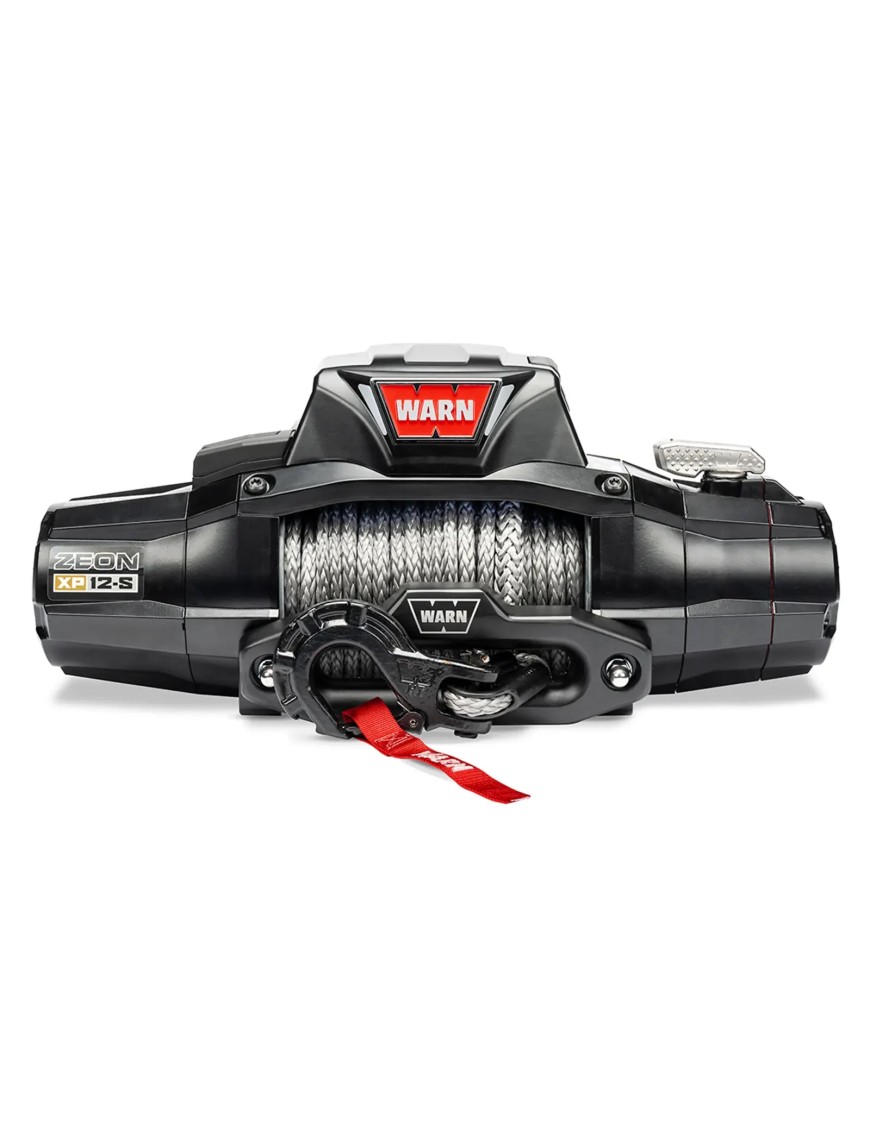
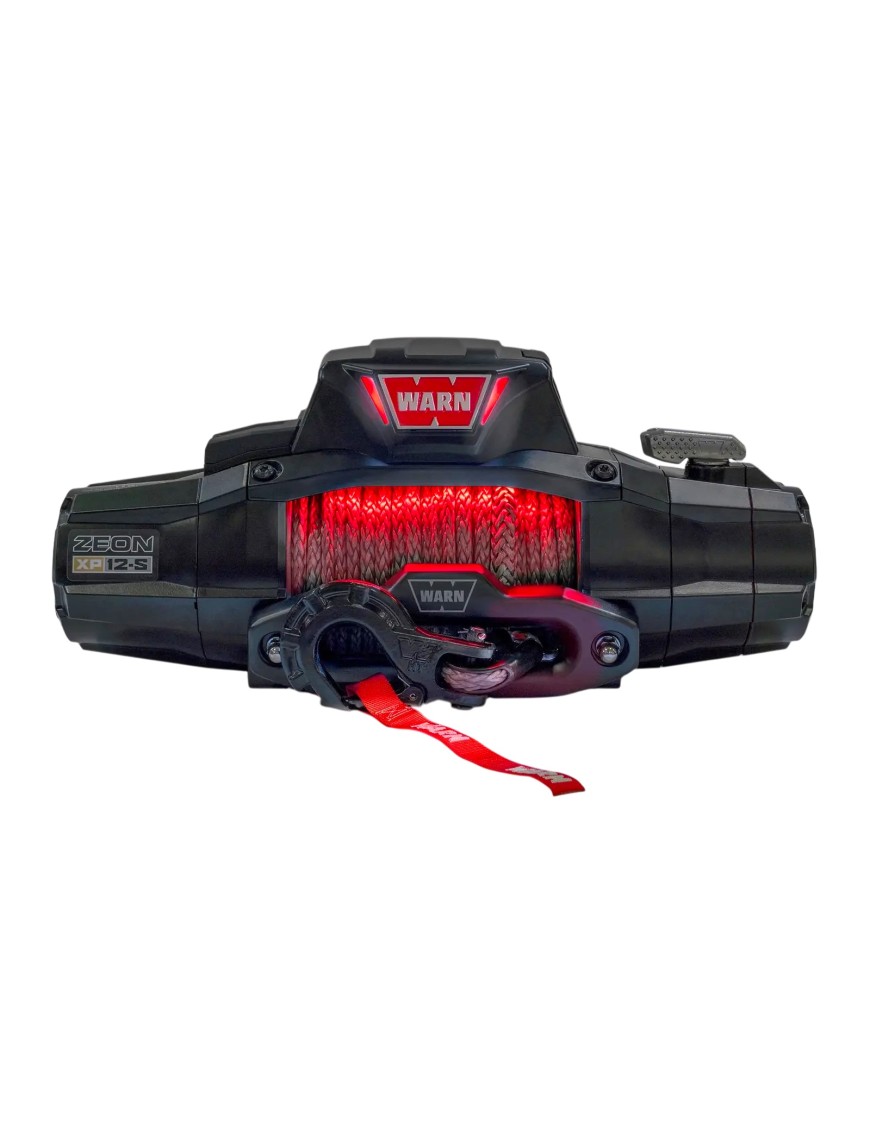
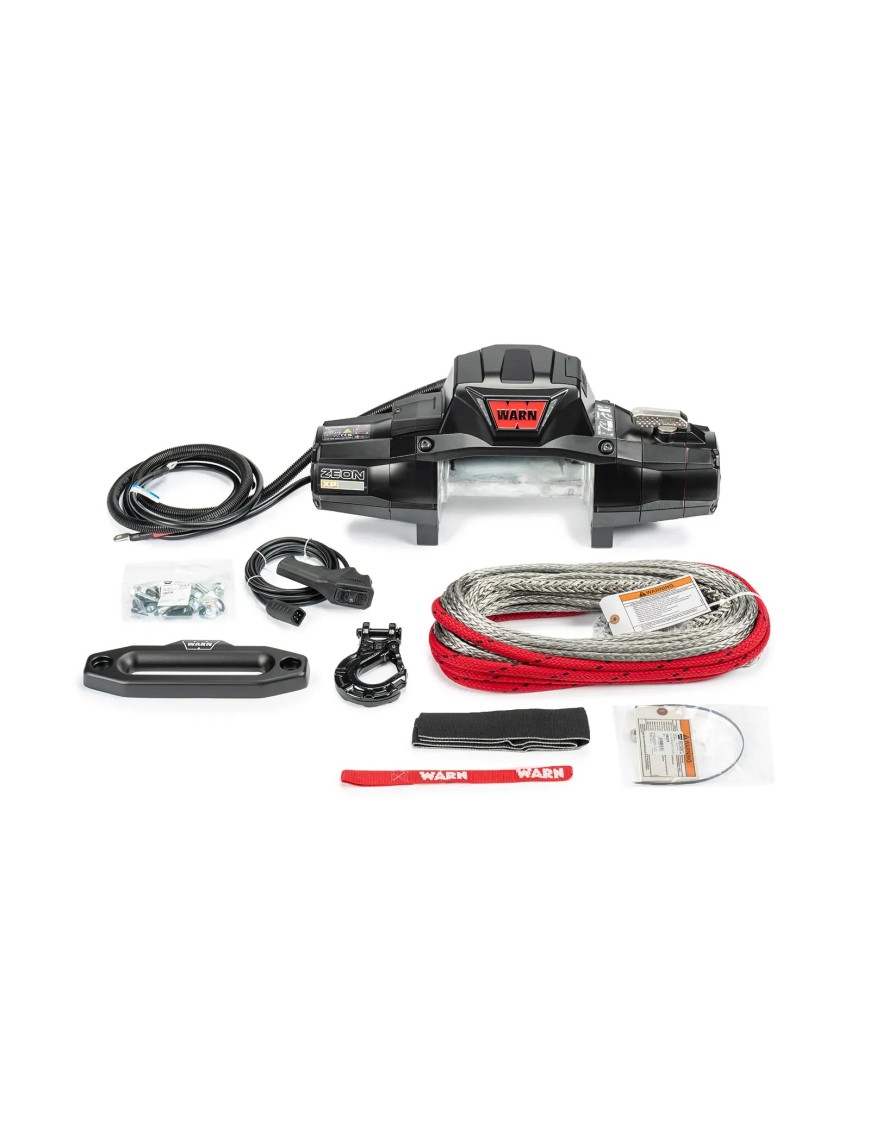
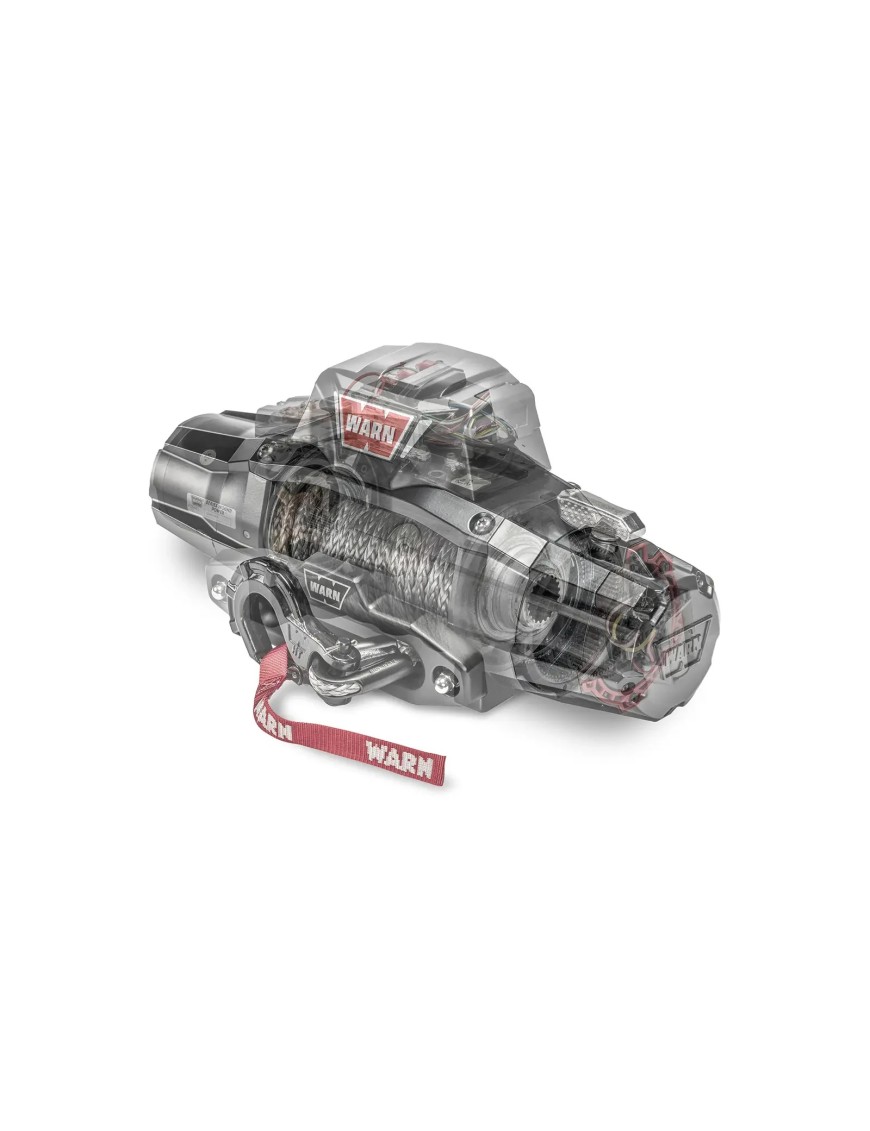
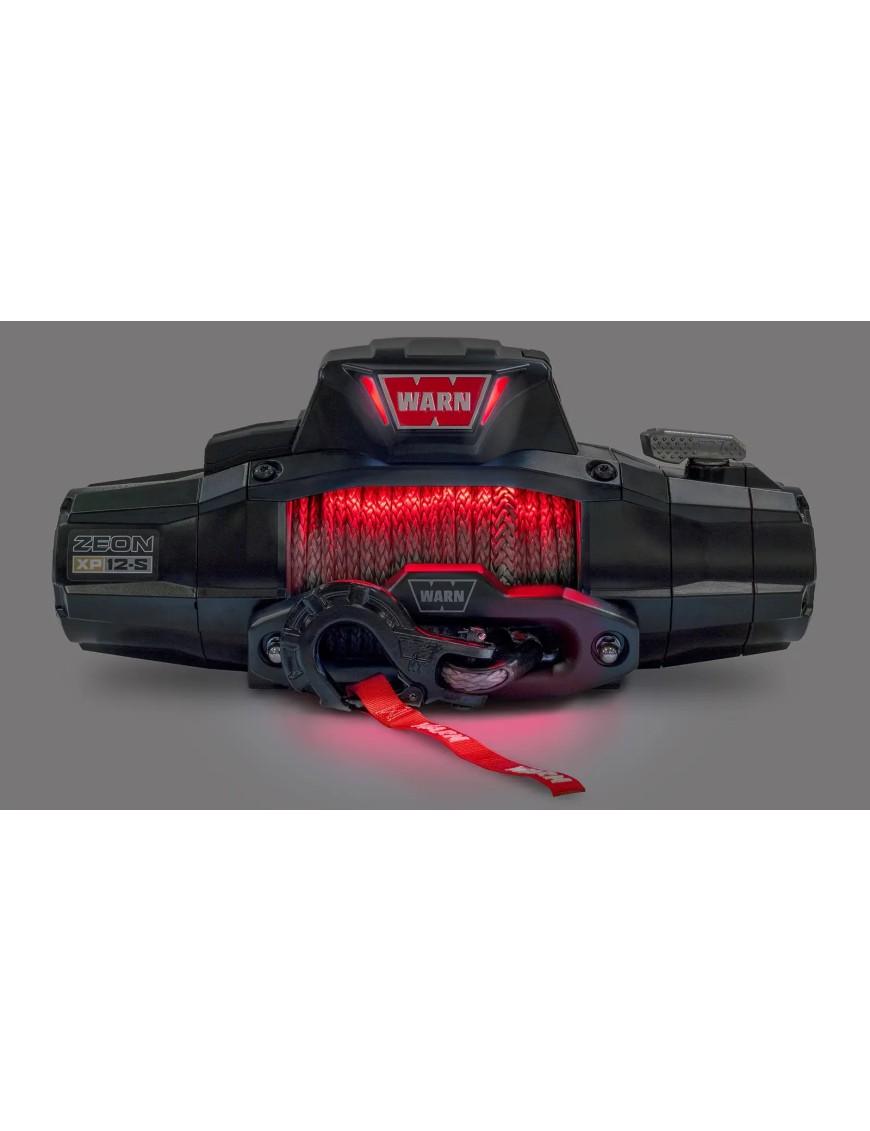
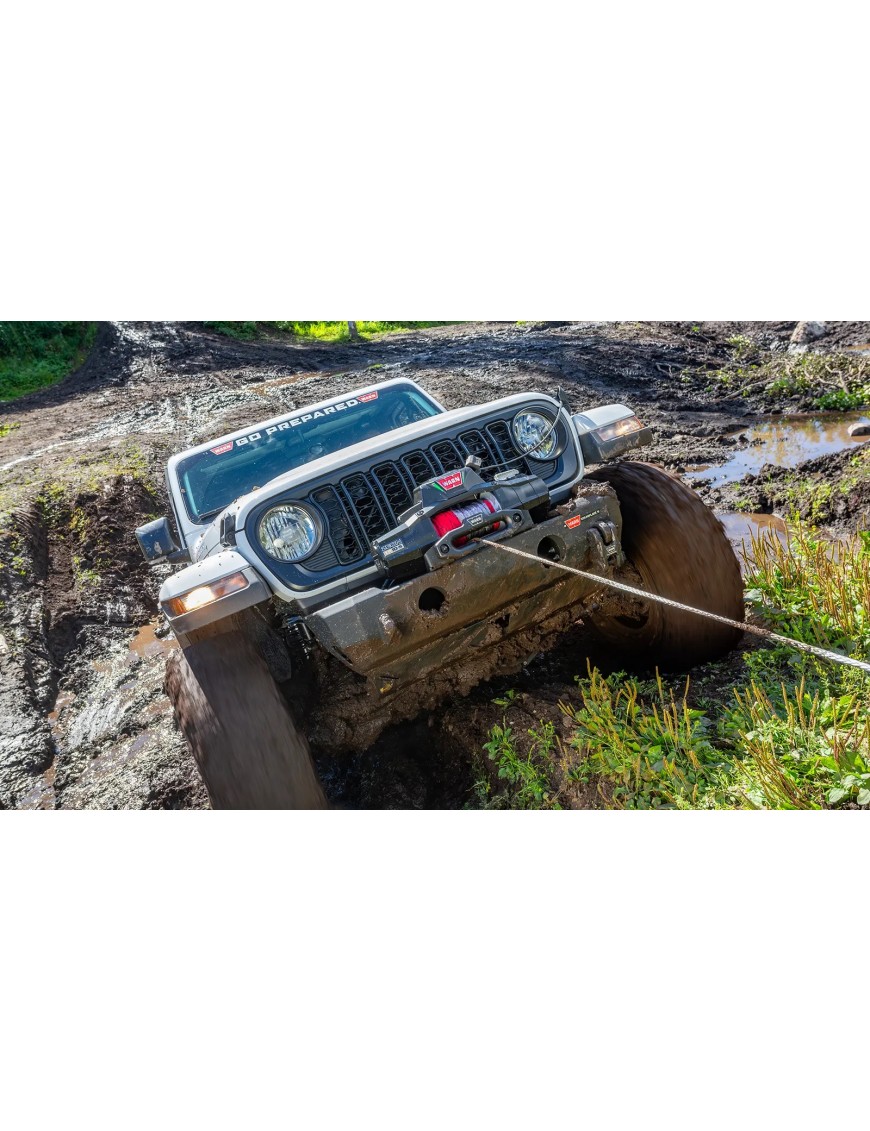
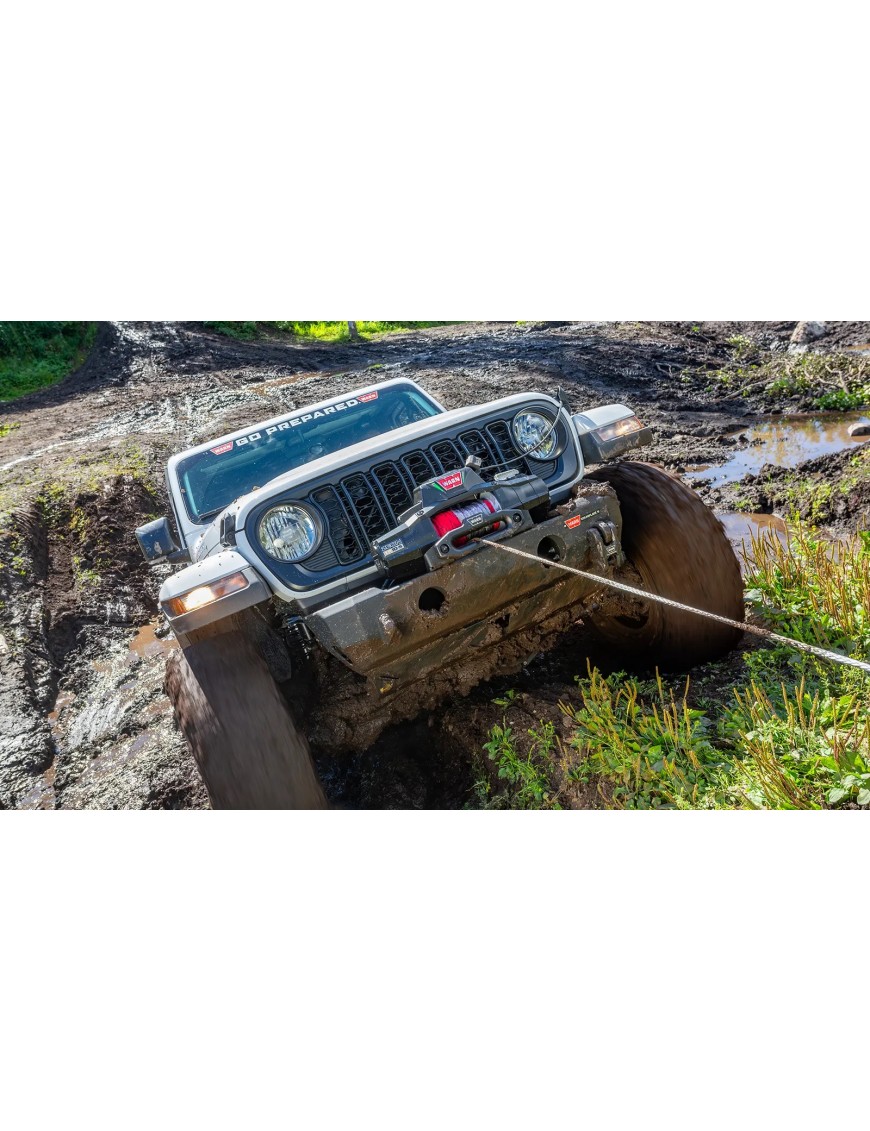
WARN ZEON XP 12-S is a 12 V electric winch with a 12,000 lb pulling capacity, Spydura Pro synthetic rope, wired and wireless controls, and a remotely operated clutch. Its IP68/IP69K-rated construction makes it suitable for off-road vehicles, Jeeps, SUVs, and pickup trucks requiring a powerful recovery system.


 Security policy
(edit with the Customer Reassurance module)
 Delivery policy
(edit with the Customer Reassurance module)
 Return policy
(edit with the Customer Reassurance module)
The WARN ZEON XP 12-S is a premium electric winch designed for heavier 4x4 vehicles, modified Jeeps, SUVs, and pickup trucks. Its 12,000 lb pulling capacity, synthetic rope, and advanced control system support reliable vehicle recovery in mud, snow, and demanding off-road conditions.
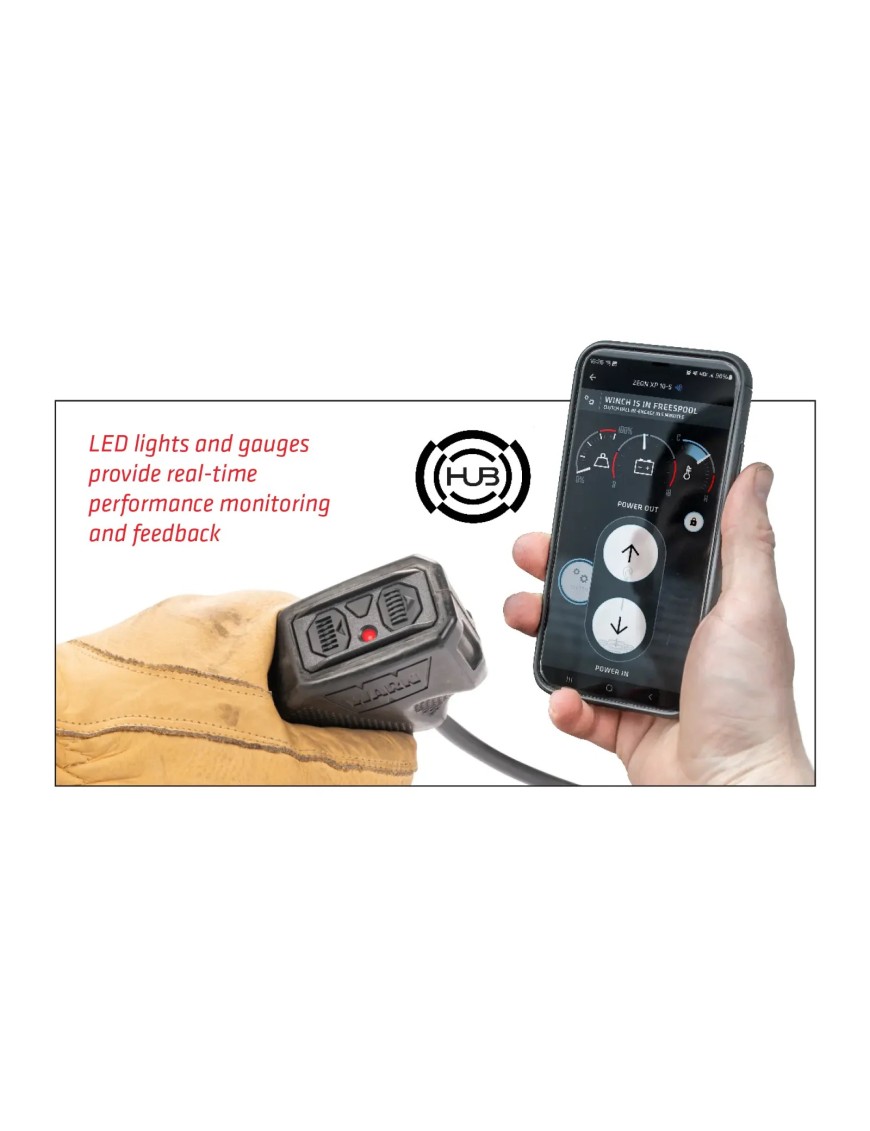
The winch can be operated with a wired remote or the integrated HUB Wireless Control system. Real-time information about motor temperature, winch load, and vehicle battery status helps the driver monitor operation during recovery.
Data sheet
The performance figures given by winch manufacturers represent the maximum capabilities, not the working load. These values are measured under ideal conditions – without slopes, terrain obstacles, or other real-world challenges. The highest pulling power is achieved on the first layer of rope on the drum.
For safety – both yours and the equipment’s – the load on the winch should not exceed about 80% of its maximum rated capacity.
When selecting a winch, start by determining the total weight it will need to handle. You can use the vehicle’s gross weight rating as a reference, but remember to allow extra for additional cargo (e.g., a fully loaded van), difficult terrain (e.g., the vehicle hung up on the chassis), or damage that increases resistance (e.g., a missing wheel).
Once you have that figure, multiply it by at least 1.5 as a safety margin, or check the manufacturer’s specifications for the winch’s pulling power on the last layer of rope. This will give you a realistic figure for choosing the right model.
If you’re unsure which winch is right for you – get in touch, and we’ll help you find the perfect fit.
Steel rope has long been the standard choice for winches. Made from multiple strands of carbon steel wire, it offers excellent resistance to abrasion and generally comes at a lower cost than synthetic alternatives. Its main drawback is the tendency for individual wires to break over time, creating sharp burrs – meaning gloves are essential for safe handling.
Synthetic ropes, introduced to the market much later, are dramatically lighter – often up to ten times lighter than steel. Despite the lower weight, they can be incredibly strong, with some models offering breaking strengths up to seven times higher than comparable steel ropes. An often-overlooked advantage is that synthetic rope floats on water, making it extremely useful during river crossings and wet off-road conditions.
Unlike steel, synthetic rope doesn’t snap violently. It’s more flexible, and if damaged, it can be repaired in the field simply by tying a knot. This makes it a much safer option to use. On the downside, synthetic ropes cost more and are more susceptible to abrasion. However, for those willing to invest, they offer unmatched convenience and performance in challenging terrain.
Steel cable has been the go-to choice for winches for decades. Made from multiple strands of carbon steel wire, it offers excellent resistance to abrasion and is typically more affordable than synthetic rope. However, individual wires can break over time, creating sharp burrs – which is why protective gloves are a must when handling it.
Proper preparation is essential before operating a winch. Avoid loose clothing or jewelry that could get caught in moving parts. If you have long hair, tie it back securely. Never handle a steel cable with bare hands, and always keep a safe distance – a snapped cable can behave unpredictably.
Before each use, inspect the winch to ensure it’s in good working order. Whenever possible, pull in a straight line. If you need to work at an angle, use a snatch block to guide the cable and reduce strain. Keep an eye on how the cable winds onto the drum – it should spool evenly. Avoid bunching in one area or letting it pinch between earlier layers. If it jams, unwind and rewind the cable properly.
Manual spooling should only be done after disengaging the gearbox (by turning the lever) and never when the winch is under load or running, as this can damage the mechanism. Snatch blocks are also helpful for increasing pulling capacity when needed.
When anchoring to a tree, never wrap the cable directly around the trunk – use a tree saver strap instead. Always leave at least eight wraps of cable on the drum when pulling to prevent damage to the anchor point and ensure safety. Keep the cable under light tension during operation to avoid kinks and tangling.
While using the winch, keep the vehicle’s engine running to prevent battery drain. Check the battery condition regularly. A new winch is factory-lubricated and doesn’t need immediate servicing, but it does require periodic maintenance. This includes disassembling the unit, cleaning it, replacing grease, and swapping worn parts. Steel cables should also be lubricated periodically with a suitable penetrating oil.
The answer is simple – the fewer wraps on the drum, the more pulling power the winch can deliver. The exact amount of rope you can fit depends on the drum size. For example, a standard 12,000 lbs winch can typically hold about 28 m of 10 mm cable, or around 25 m if you go up to 12 mm. With these lengths, you need to pay close attention to how the rope is spooled to avoid pushing apart the crossbars that support the winch’s legs.
In a winch, the gear ratio describes the relationship between the number of turns of the winch’s motor and the number of turns of the drum. In simple terms, it tells you how much the motor has to spin to rotate the drum once.
A higher gear ratio means more mechanical advantage – the winch can pull heavier loads but will do so more slowly. A lower gear ratio allows faster line retrieval but with less pulling power. Manufacturers choose gear ratios to balance speed, torque, and efficiency for the intended use of the winch.
A battery isolator switch (often called a “kill switch” or “master switch”) is a safety device installed in the power circuit of your winch. Its job is to completely cut off the electrical connection between the winch and the vehicle’s battery when the winch is not in use.
Why is it important?
Safety – Prevents accidental winch activation.
Fire protection – Eliminates the risk of electrical short circuits when the winch is idle.
Battery preservation – Stops slow battery drain from standby power.
When choosing a battery isolator for a winch, pick one that can handle the high current your winch draws under load. For most 12V winches rated around 9,000–12,000 lbs, you’ll want a switch rated for at least 250–500 amps continuous loadand even higher for peak loads. Heavy-duty marine or off-road-specific isolators are usually the best choice.
A winch is just the starting point. To get the most out of it – and to ensure the safety of both your gear and everyone involved – it’s worth investing in a few key accessories.
1. Battery Isolator Switch (Kill Switch)
Allows you to quickly cut power to the winch, preventing accidental activation or electrical short circuits.
2. Snatch Block
Increases your winch’s pulling power and lets you change the pulling direction. Essential for angled pulls or when working with particularly heavy loads.
3. Tree Saver Strap
Protects the bark and structure of a tree when it’s used as an anchor point.
4. Shackles and Thimbles
Strong connection points for attaching the rope to straps, hooks, or other recovery gear. Opt for high-quality steel or aluminum models with certified load ratings.
5. Protective Gloves
An absolute must for working with steel cable, and highly recommended for synthetic rope as well – they protect your hands from cuts, abrasion, and rope burns.
6. Winch Line Damper
Placed over the rope during operation, it reduces recoil if the line snaps, increasing overall safety.
7. Rope or Strap Extension
Provides extra reach when the nearest anchor point is farther than your rope’s standard length.
8. Recovery Gear Bag or Organizer
Keeps all your equipment in one place, protected from dirt, moisture, and damage.
With the right accessories, your winch becomes a versatile and safe recovery tool – ready for anything from a light assist to a heavy-duty off-road rescue.
Choosing the right winch for a car trailer depends mainly on the weight of the vehicles you plan to load. The most important factor is pulling capacity – as a rule of thumb, it should be at least 1.5 times greater than the gross weight of the heaviest vehicle you’ll be pulling.
Key factors to consider when selecting a trailer winch:
Rated pulling power – For standard passenger cars, a 4,000–6,000 lbs winch is usually sufficient. If you often load SUVs or vans, go for 8,000–12,000 lbs.
Rope type – Steel cable is more resistant to abrasion and less expensive, but requires gloves for safe handling. Synthetic rope is lighter, safer if it snaps, and easier to work with.
Line speed – Faster winches make loading more efficient, which is important for commercial use.
Power supply – Most trailer winches are 12V and connect to the towing vehicle’s battery; in some cases, a 24V system may be worth considering.
Mounting style – The winch can be permanently fixed to the front of the trailer or mounted on a plate for quick removal.
Control method – Wired remotes are highly reliable, while wireless remotes add convenience.
Example selection:
If you mainly load passenger cars up to 1.5 tons, a 4,500–6,000 lbs winch will be sufficient. For vehicles over 2 tons, a 9,000–12,000 lbs model is a safer choice, giving you enough power for difficult situations (e.g., a car with seized wheels).
After a demanding off-road outing or rally, it’s a good idea to give your winch a thorough inspection. This should include:
Replacing the planetary gear grease – If the grease shows signs of water contamination, replace it immediately. Under normal use, change it every two years. Use waterproof grease, such as lithium-based grease.
Checking the motor brushes and bearings – Replace any worn components to keep the motor running smoothly.
Inspecting the brake shafts and O-rings – Swap them out if they show wear or damage.
Cleaning and tightening all electrical connections – Pay attention to the control box, motor terminals, and battery clamps.
Maintaining the winch rope – Replace it if necessary; remember, ropes often wear out faster than the winch itself.
Inspecting, greasing, and replacing drum bearings – Ensure smooth operation and prevent premature wear.
Important: Do not attempt to “seal” the winch with silicone or similar products. Such sealing can trap water inside (in the motor, gearbox, or brake) when the winch gets wet, leading to corrosion and damage.
It’s the maximum load that a piece of equipment (like a strap, shackle, rope, or chain) is rated to handle during normal use. This value is set by the manufacturer based on safety factors, meaning the actual breaking strength of the equipment is higher, but you should never exceed the WLL in real-world operation.
Example: If a recovery strap has a WLL of 5 tons, it means you can safely use it for loads up to 5 tons under normal conditions.
The WLL is usually calculated as Breaking Strength ÷ Safety Factor. For lifting gear, the safety factor might be 4:1 or higher; for recovery gear, it can vary.
Key point: WLL is about safe working capacity, not the maximum it can physically hold before failure.
Improved safety – when it breaks, it doesn’t store as much kinetic energy as steel, reducing the risk of injury.
Lightweight and easy to handle – often several times lighter than steel, with no sharp burrs to worry about; easier to spool in and out.
Field repairability – damaged rope can be rejoined or spliced without specialized equipment.
It floats – ideal for water crossings and wet environments.
Cons: more expensive, more vulnerable to UV exposure and dirt, and requires regular maintenance.
Safety margin – rope strength should be at least 1.5–2 times higher than your winch’s maximum rated pull.
Balance between diameter and length – thicker rope is stronger but takes up more drum space; sometimes a shorter main rope with an extension is the best option.
Avoid overfilling the drum – too much rope can damage winch components and reduce pulling efficiency.
Commonly made from HMPE fibers (such as Dyneema), polyester, or nylon – all highly resistant to moisture, corrosion, and offering exceptional strength.
Rope construction (e.g., 12-strand braid) affects durability, abrasion resistance, and how easily it picks up dirt.
may require the use of different winching techniques.
This could include situations such as too short a distance to achieve maximum pull using a straight-line setup,
or the need to increase pulling power or maintain the rope in a straight-line pull.
You must assess which technique is appropriate for your situation.
Always remember to think safety first.
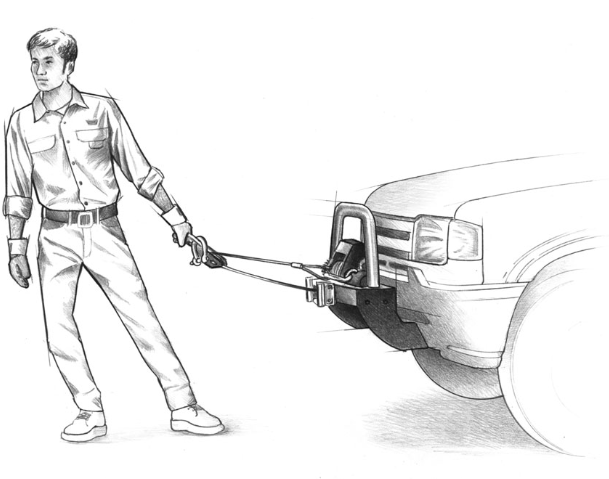
When winching, it’s best to keep the rope running in a straight line from the winch to the object being pulled. This ensures even spooling on the drum, improves efficiency, and reduces the risk of rope damage.
Using a snatch block attached to a point directly in front of the vehicle allows you to change the pulling direction while keeping a 90° angle between the rope and the drum. This ensures the rope spools properly during operation.
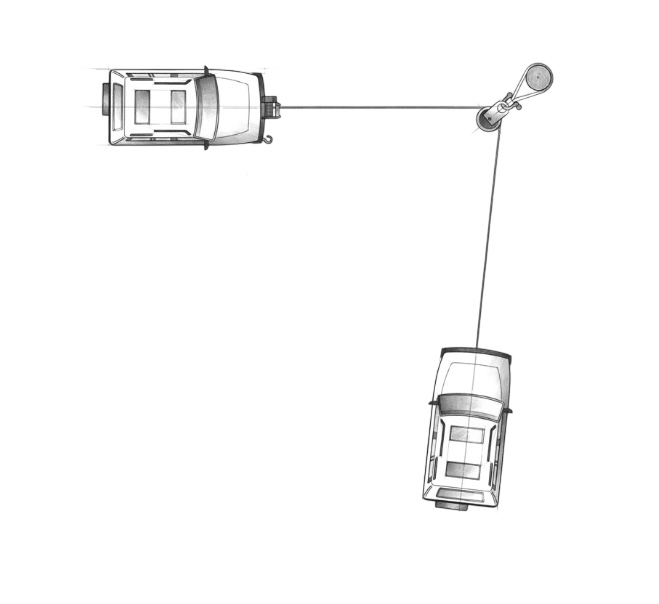
In some situations, you may find you need more pulling power.
Using a snatch block provides mechanical advantage, which directly translates into increased winching power.
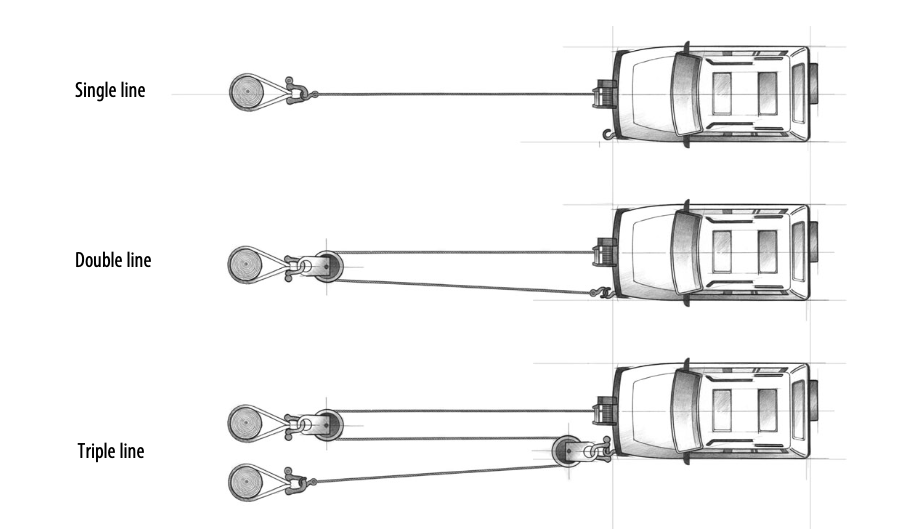
Winch pulling power decreases as the number of rope layers on the drum increases.
Using a snatch block in a double-line setup allows you to pull out more rope from the drum, reducing the number of layers and increasing pulling power.
Step-by-step:
Spool out enough winch rope to free the hook.
Attach the hook to the vehicle’s frame or tow point, then pass the rope through the snatch block.
Disengage the winch clutch and, using the snatch block, pull out enough rope to reach the anchor point.
Do not attach the hook to the winch mounting bracket.
Secure the rope to the anchor point using a tree saver strap or a choker chain.
Attach a shackle to both ends of the strap or chain, making sure not to overtighten – tighten and then back off half a turn.
Similar to the double-line setup – as shown in the diagram – except the rope end is routed through two snatch blocks, with the third point being, for example, a tree.
What is a roller fairlead for a winch?
A roller fairlead consists of four steel or aluminum rollers that guide the rope during winching. It is mainly used with steel cables because it reduces friction and prevents excessive wear when winching at an angle.
What is a hawse fairlead?
A hawse fairlead is a smooth plate, usually made of aluminum or steel, with a rounded opening through which the rope passes. It is designed specifically for synthetic ropes – minimizing wear and protecting them from abrasion.
Which option is better for synthetic rope?
For synthetic rope, a hawse fairlead is strongly recommended because:
It has a smooth surface that won’t damage the rope fibers.
It has no moving parts that could pinch or fray the rope.
It’s lighter and more compact than a roller fairlead.
Can you use roller fairleads with synthetic rope?
Yes, but only if they are in perfect condition – with no sharp edges, rust, or pitting. Even minor damage to the roller surface can cut or weaken synthetic rope.
Can you use a hawse fairlead with steel cable?
It’s not recommended. Steel cable combined with a hawse fairlead generates more friction, wears it out faster, and can cause serious damage when winching at an angle.
YES, please contact us to arrange the installation location.
Tel: +48 534 600 534 (please select option 3)
Email: info@szekla4x4.pl
WARN ZEON XP 12-S is a 12 V electric winch with a 12,000 lb pulling capacity, Spydura Pro synthetic rope, wired and wireless controls, and a remotely operated clutch. Its IP68/IP69K-rated construction makes it suitable for off-road vehicles, Jeeps, SUVs, and pickup trucks requiring a powerful recovery system.